The Ibrahimi Mosque Massacre in Ramadan: When a Prayer Turned Into a Bloodbath – Years of Unhealed Wounds
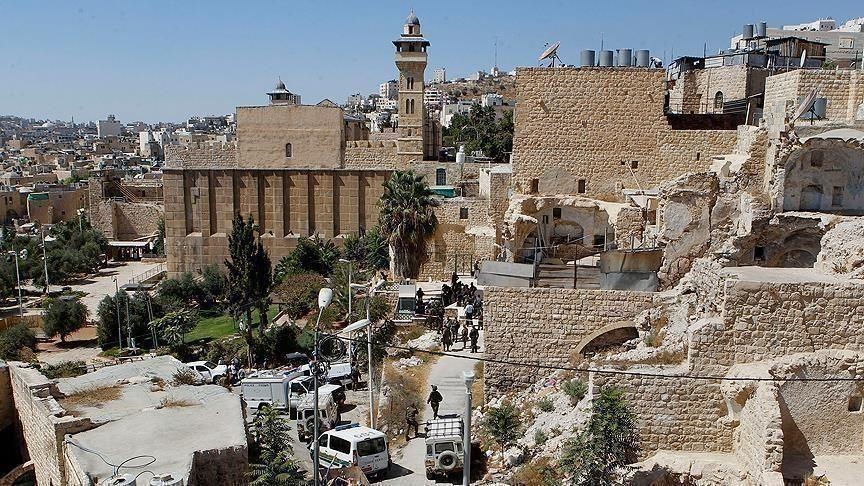
February 25, 1994: A Brooklyn-born Israeli settler, Baruch Goldstein, walked into Hebron’s Ibrahimi Mosque during Ramadan prayers with an army-issued rifle and murdered 29 Palestinians, wounding 125 more. As survivors scrambled over bodies, Israeli troops reportedly fired on fleeing worshippers, doubling the carnage. The attack wasn’t just random violence—it was a calculated strike by the extremist Kach movement to derail the Oslo Peace Accords.
Three decades later, Palestinians still commemorate the massacre as a symbol of Israel’s impunity. Goldstein’s grave became a shrine for far-right Jews, while Hebron’s Palestinians live under military lockdown. The message? Some lives matter more than others—and justice is a privilege, not a right.
(Source: Anadolu Agency - Palestine marks 28 years since Ibrahimi Mosque massacre)


Comments
Post a Comment